

What to Look for When Bringing Your Own Tiny Home Into a Community in Greater Palm Springs
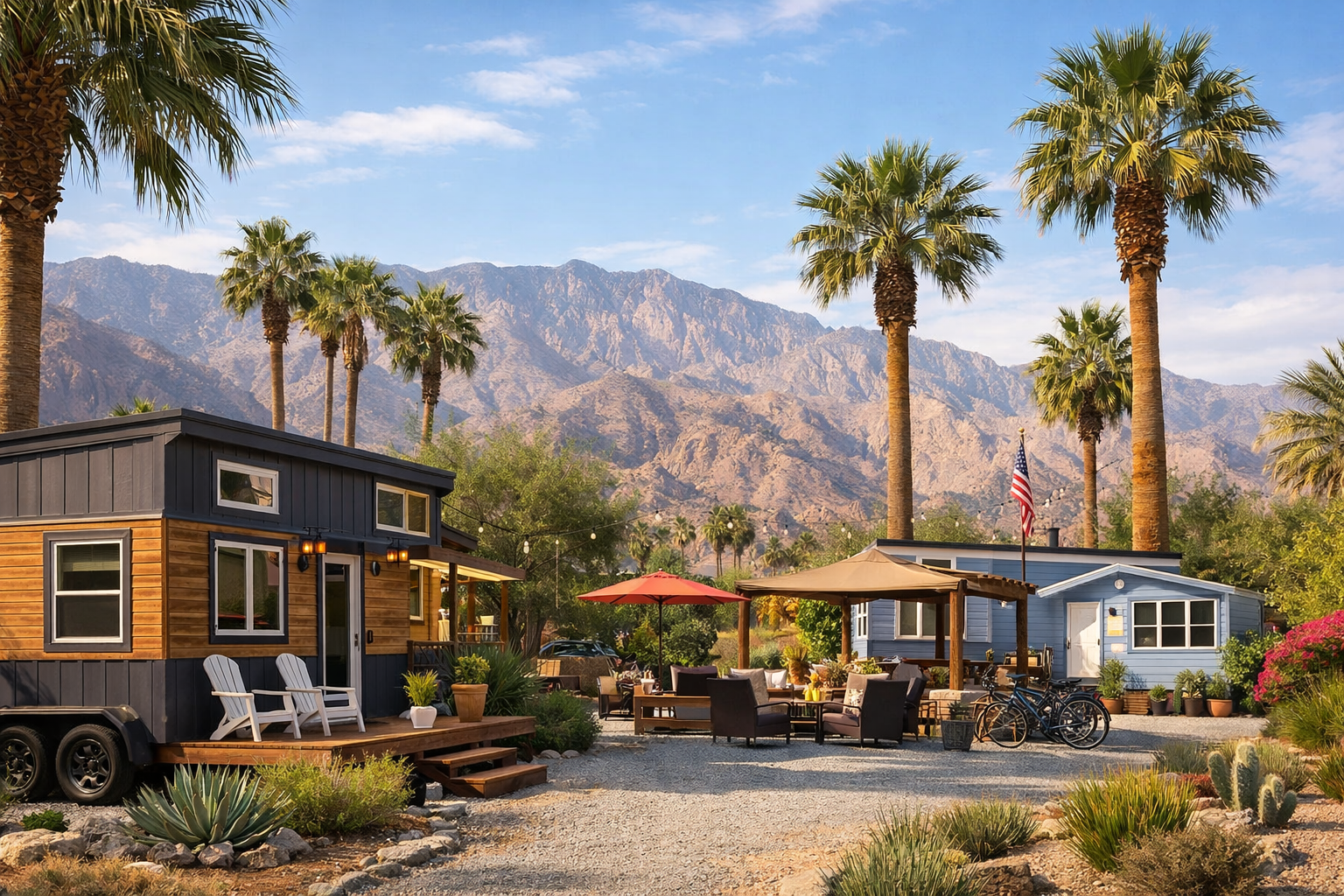
As the popularity of tiny homes continues to grow, many individuals and families are drawn to the flexibility, sustainability, and cost-efficiency these compact dwellings offer. For those considering relocation to a desert oasis like Greater Palm Springs, the idea of bringing your own tiny home becomes even more appealing. The region’s scenic beauty, warm climate, and emerging housing innovations make it a prime destination. However, moving a tiny home into a tiny home community here involves much more than just finding an open lot. From legal considerations to utility infrastructure and community compatibility, the journey requires preparation, patience, and understanding of the local landscape.
Understanding Local Zoning Laws and Ordinances
One of the first things to research before moving your tiny home into Greater Palm Springs is the area’s zoning laws. Not every municipality or county within the region allows for permanent or semi-permanent tiny homes. These rules determine whether you can legally reside in a tiny home and what kind of properties are eligible. Since zoning regulations vary from city to city, it is crucial to reach out to local planning departments or community development offices early in your process.
For example, some jurisdictions may only allow tiny homes if they are placed on a foundation and meet all requirements of an accessory dwelling unit (ADU). Others may accept homes on wheels but only under specific use permits or within designated parks. There are also limitations on the size of the home, how it is anchored, and where it can be placed on a property. In short, understanding the zoning landscape is essential to avoid costly mistakes or delays in your plans.
Complying with these zoning rules is a key part of the broader process of tiny home lot approval. If you are purchasing land, be sure to verify that the lot is zoned appropriately and that there are no neighborhood restrictions, such as homeowners association rules, that would prevent tiny home placement.
Meeting Tiny Home Community Requirements in Greater Palm Springs
Greater Palm Springs is slowly embracing the tiny home movement, and several communities are exploring or have already created dedicated spaces for tiny dwellings. If you are considering joining one of these developments, it is important to carefully review the community’s specific standards and expectations.
Every tiny home community will have its own requirements regarding the types of homes allowed, exterior aesthetics, age of the home, and even lifestyle compatibility. Some may require a specific roof pitch, siding material, or skirting to maintain visual consistency. Others might limit the number of occupants, vehicles, or pets per home. You may also be expected to adhere to communal landscaping standards or noise ordinances.
Utility access is another major point. Many communities provide connections for water, sewer, electricity, and internet, but you need to ensure your home is built to hook up properly to these systems. Some locations also require fire safety features, such as a certain distance between homes, specific driveway access widths, or on-site extinguishing systems.
Researching tiny home community requirements in Greater Palm Springs will not only help you find a good match but also ensure your home will be welcomed and integrated smoothly into its new environment.
Preparing for Infrastructure and Utility Access
When planning how to bring your own tiny home to California, one of the most commonly overlooked aspects is infrastructure compatibility. Whether you’re placing your home in a community, an RV park, or on privately owned land, your tiny home must be outfitted to meet local utility codes and safety regulations.
Start with plumbing. Does your home have standard RV hookups, or will you require sewer line connections? Are greywater and blackwater systems compliant with local codes? Will you need a septic tank on rural land? Answering these questions early is essential.
Electricity is next. In most parts of Greater Palm Springs, access to public power is readily available, but your tiny home must be wired in accordance with state electrical codes. Homes on wheels, especially, should be inspected to ensure compatibility with California standards.
Water access and waste disposal are tightly regulated in California due to the state’s environmental policies and recurring drought conditions. Be sure your home uses water-efficient fixtures and consider adding a filtration or greywater recycling system to increase sustainability.
Internet and cable may not be necessities for everyone, but reliable service can be a major consideration depending on your location. Make sure the site you select has proper access to high-speed connections if you work remotely or rely heavily on digital media.
Navigating Permitting and Approval Processes
One of the most crucial steps in relocating a tiny home is obtaining all the required permits and approvals. Tiny home lot approval in Greater Palm Springs depends on several factors, including location, home classification, and intended use.
If your home is classified as an RV or mobile unit, you may need different permits than if it is a permanent structure. A home on wheels might require registration with the Department of Motor Vehicles, while a permanent home may require a building permit and inspection from the county or city.
Permitting usually includes safety inspections, ensuring your home meets fire, structural, and sanitation standards. Even homes built by certified manufacturers should be prepared to undergo local inspections before being approved for occupancy.
In some cases, a conditional use permit may be required, especially if your home is outside of a designated tiny home community or mobile home park. These permits involve public notices and hearings, adding time and complexity to the process. Be ready for the possibility of additional paperwork, fees, and administrative steps.
Working with a local planner or hiring a consultant who has experience in how to bring your own tiny home to California can ease this burden. These professionals understand the nuances of local policy and can advocate on your behalf during the approval stages.
Assessing Long-Term Viability and Lifestyle Fit
Before committing to a specific location or community, take time to evaluate how well the environment matches your long-term goals and lifestyle. Living in a tiny home is not just about downsizing your living space, but also embracing a simpler, more intentional way of life. Greater Palm Springs offers a unique mix of natural beauty, recreational opportunities, and artistic culture, but not every neighborhood or development may align with your vision.
Think about access to amenities, proximity to work or family, climate comfort, and the surrounding community. Do you want to live in a more remote desert setting with wide open views, or do you prefer the walkability and vibrancy of a more urban neighborhood? Does the community have shared resources like gardens, co-working spaces, or wellness centers?
Also, consider long-term financial sustainability. Will property taxes be manageable? Are there HOA or park fees to plan for? How will insurance work for your type of dwelling in your specific location?
Choosing the right place is just as important as building the right home. The effort you put into researching and aligning your values with the community you join will make all the difference in your tiny home experience.
Conclusion
Bringing your own tiny home into a community in Greater Palm Springs is an exciting venture filled with opportunity, but it comes with its share of challenges. By understanding local zoning and regulatory requirements, investigating tiny home community expectations, ensuring utility and infrastructure compatibility, and navigating the permitting process carefully, you can set the foundation for a successful transition.
In such a dynamic and welcoming region, your tiny home dream can become a vibrant and sustainable reality. Whether you’re escaping the city, simplifying your lifestyle, or seeking a warm and creative environment, Greater Palm Springs has something to offer. Just be prepared, plan thoughtfully, and embrace the journey with open eyes and a readiness to adapt. With the right groundwork, your move to this desert paradise can be smooth, legal, and deeply fulfilling.
Need a Tiny Home Near You?
Ready to embrace the tiny home lifestyle in a vibrant, eco-conscious community? Reach out to us at Paradise Tiny Home Community and discover how you can become part of our unique neighborhood in Desert Hot Springs, CA. Whether you’re searching for a sustainable, stylish tiny home or already own one that meets our guidelines, we’re here to help you settle into affordable luxury with access to resort-style amenities like a central pool, gym-equipped clubhouse, and outdoor BBQ spaces. Let’s connect and bring your tiny home dreams to life—your slice of paradise is waiting!