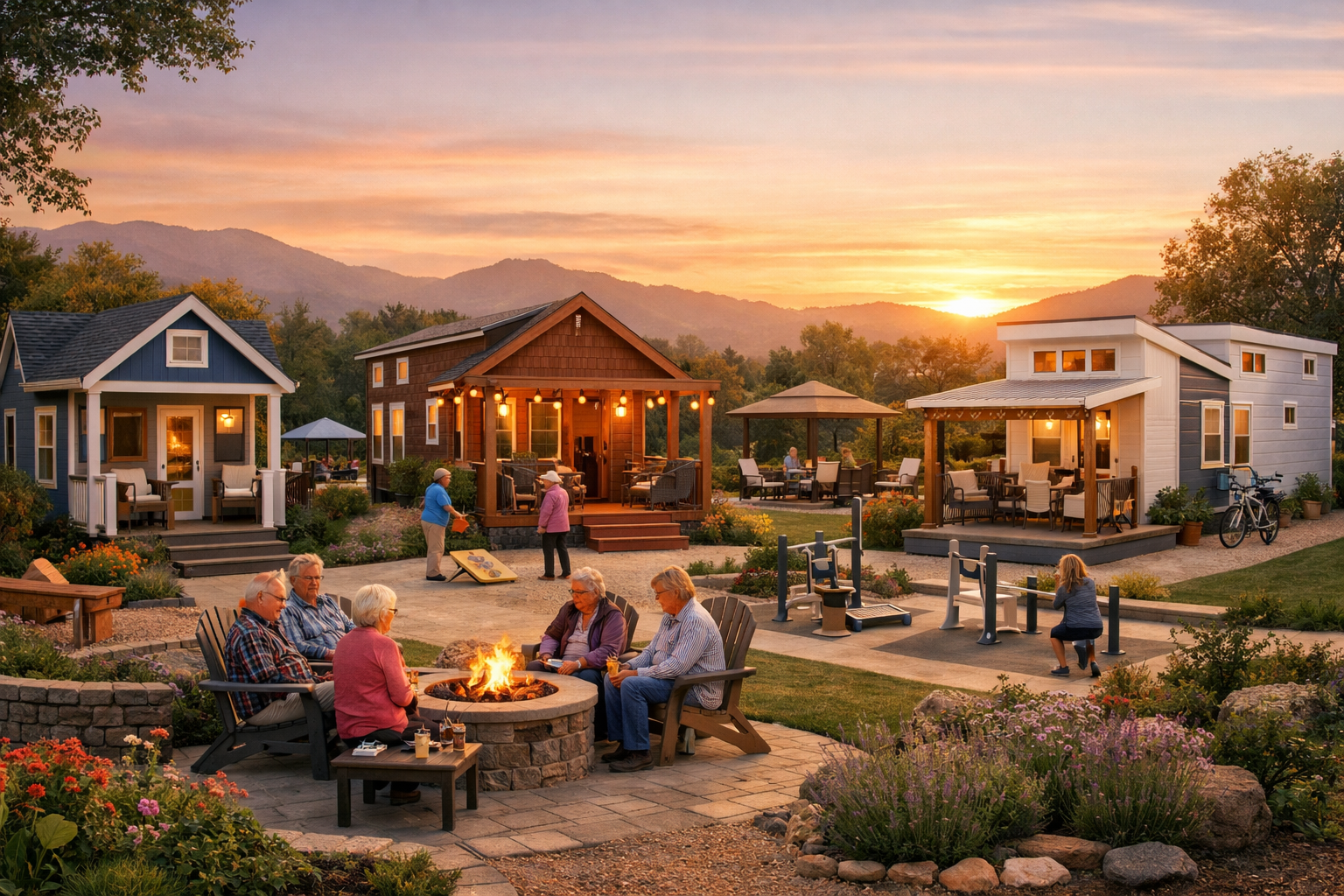
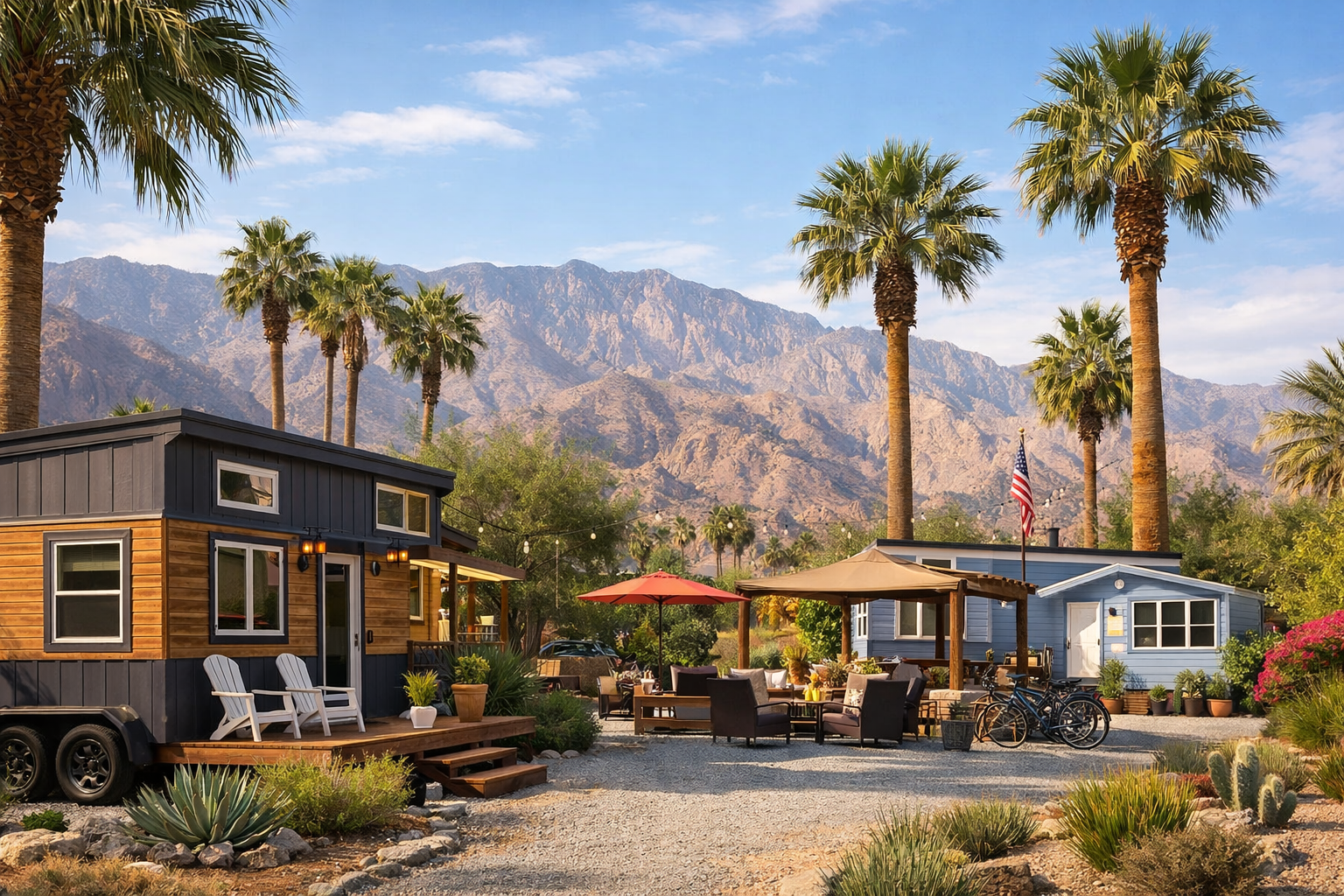
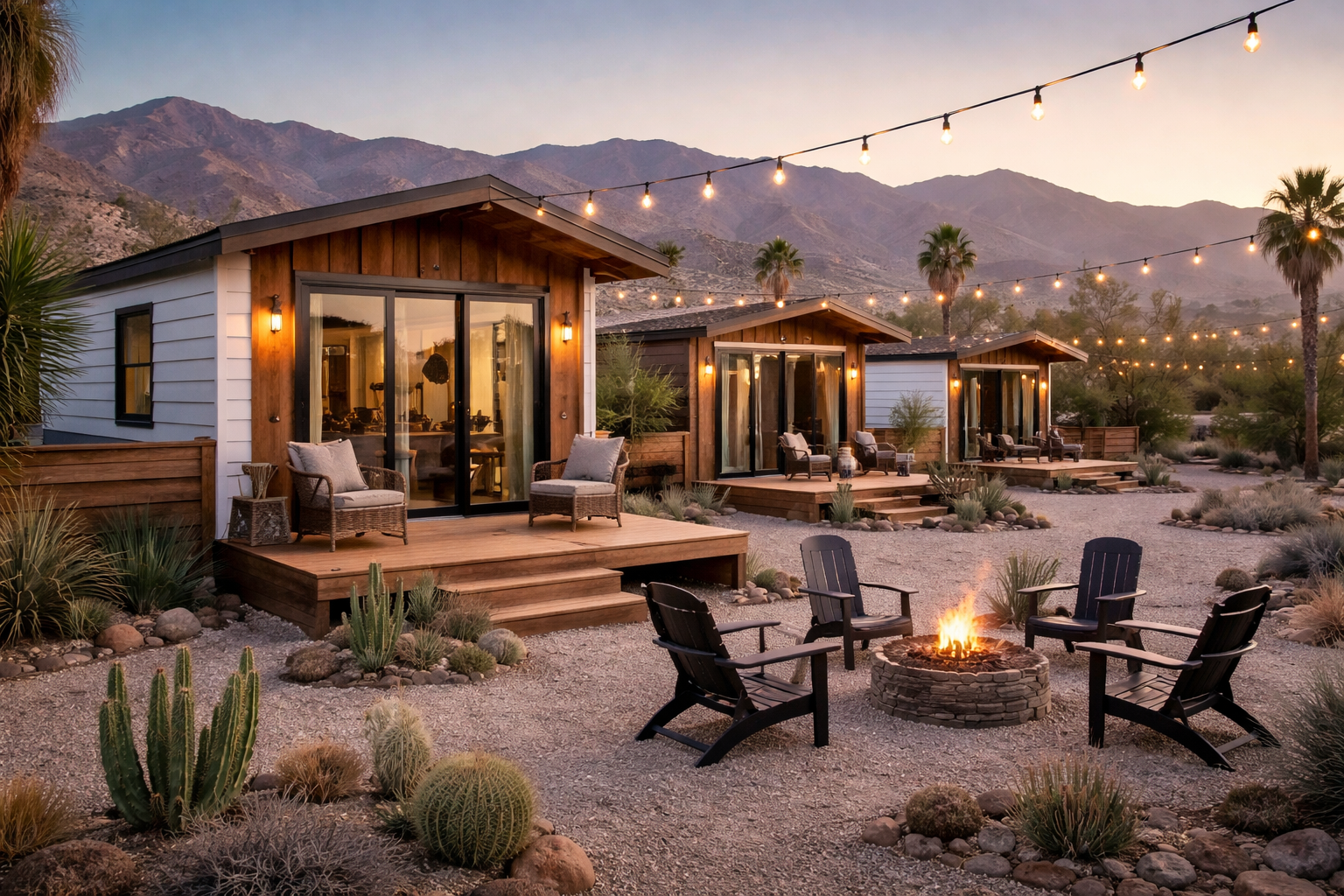
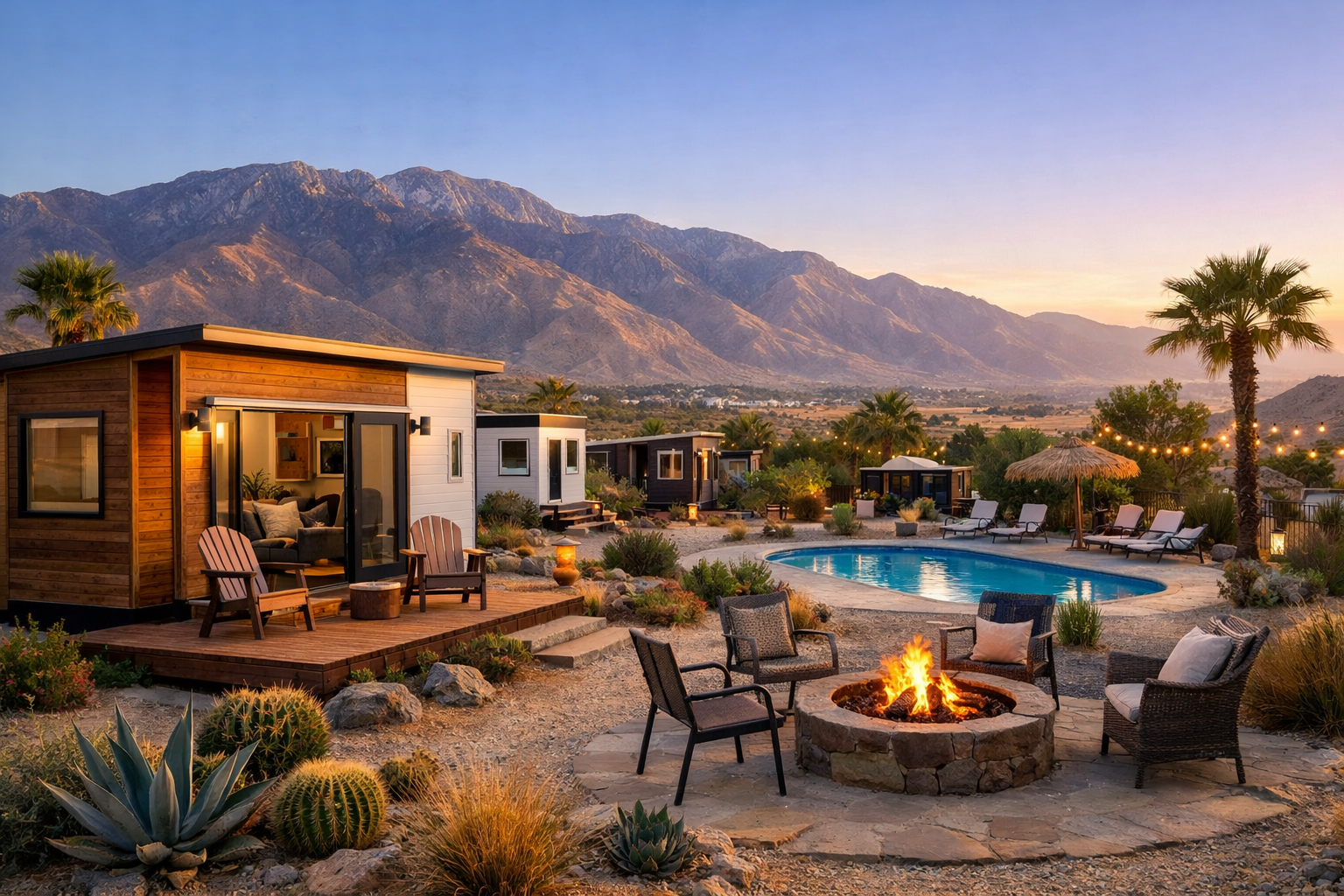
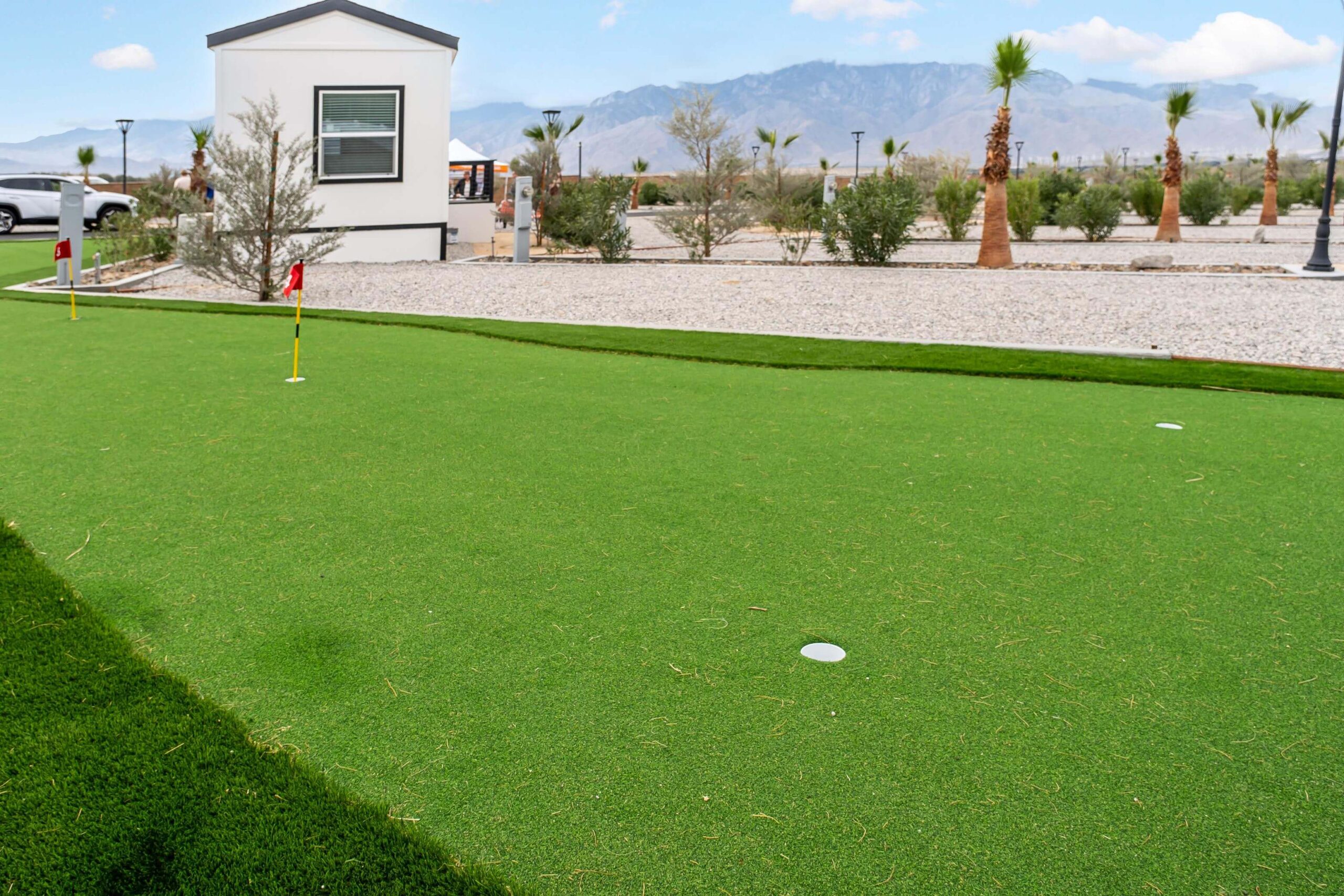
As more retirees seek a lifestyle that combines independence, community, and simplicity, tiny home living has gained traction across the United States. In particular, the concept of a retirement tiny home community in Greater Palm Springs is resonating with older adults who want to age gracefully without sacrificing quality of life. For those who fear that retirement comes with an inevitable reduction in comfort or activity, tiny homes present a fresh perspective: aging can be empowering, cost-efficient, and fulfilling. These communities offer the perfect blend of low maintenance housing, California charm, and vibrant social life, all while keeping the lifestyle you love intact.
The Rise of Tiny Homes as a Retirement Solution
The idea of downsizing in Greater Palm Springs may initially sound like a limitation, but for many retirees, it’s an opportunity for liberation. Tiny homes, generally ranging from 200 to 400 square feet, are not about giving up but about refining priorities. When designed with retirees in mind, these homes maximize functionality, safety, and comfort. They feature open floor plans, accessible amenities, and smart storage options that simplify daily living.
Tiny home communities are built with shared values in mind: sustainability, affordability, and independence. For older adults who no longer want the burden of maintaining a large property, these compact dwellings offer freedom from excess without sacrificing comfort. Furthermore, with the Greater Palm Springs area offering a year-round warm climate and beautiful desert landscapes, residents are encouraged to spend more time outdoors, enjoying nature and social events rather than being confined indoors.
This shift reflects a broader change in how retirement is viewed. Rather than a time of withdrawal, it is now a stage for reinvention. Tiny homes give retirees the chance to invest in experiences rather than things, to connect deeply with neighbors, and to maintain a lifestyle that feels intentional rather than reduced.
Maintaining a High Quality of Life Without the Clutter
One of the greatest fears associated with downsizing in Greater Palm Springs is the notion of losing touch with one’s identity and daily comforts. However, tiny home living is not synonymous with minimalism or deprivation. On the contrary, it often encourages retirees to focus on what truly matters: health, hobbies, relationships, and exploration.
A retirement tiny home community in Greater Palm Springs typically includes access to communal spaces such as clubhouses, gardens, fitness areas, and walking trails. These shared amenities provide opportunities for connection and engagement while minimizing the need for individual upkeep. Instead of mowing lawns or fixing broken water heaters, residents spend their time reading, cooking, traveling, or participating in group activities.
Moreover, the design of tiny homes today integrates modern features and high-end finishes. Just because the space is smaller doesn’t mean it’s less luxurious. You might find granite countertops, energy-efficient appliances, large windows, and spa-like bathrooms within these smartly designed homes. This approach allows retirees to maintain a sense of pride in their surroundings and comfort in their day-to-day lives.
The Greater Palm Springs region in particular is ideal for such a lifestyle. With its rich arts and culture scene, excellent healthcare facilities, and abundance of golf courses and nature reserves, residents can enjoy the full spectrum of what life has to offer while enjoying the benefits of low maintenance housing, California-style.
Fostering Community and Connection
Aging can sometimes bring with it a risk of social isolation, especially when older adults live in suburban homes far from family or peers. A retirement tiny home community in Greater Palm Springs counters this by placing social interaction at the heart of the living experience. These communities are often designed around walkable layouts that encourage impromptu conversations, shared meals, and communal activities.
Residents often come together for book clubs, movie nights, garden projects, or morning yoga sessions. These activities create a rhythm of daily life that fosters belonging and reduces feelings of loneliness. Because the communities are age-specific or retirement-focused, they also offer a sense of shared understanding among residents. Everyone is navigating similar life transitions and can support one another.
In Greater Palm Springs, many tiny home communities are located near urban centers or within reach of local attractions. This allows residents to participate in city events, volunteer programs, and recreational outings, all of which contribute to a richer and more active social life. Rather than isolating retirees, these communities act as a springboard to deeper engagement with the world around them.
Financial and Practical Benefits
One of the most appealing aspects of a tiny home lifestyle is its financial accessibility. While retirement can bring about fixed incomes or tighter budgets, tiny homes offer a cost-effective housing solution that doesn’t skimp on quality. The reduced size naturally leads to lower utility bills, property taxes, and maintenance costs. This makes it easier for retirees to allocate resources toward healthcare, travel, or leisure pursuits.
In addition to affordability, tiny homes promote a more simplified lifestyle. With fewer possessions to manage and a smaller space to maintain, retirees often find that they gain mental clarity and peace of mind. Decision fatigue lessens, and daily chores become less burdensome. These benefits are particularly important as physical mobility changes with age.
Low maintenance housing in California can be particularly hard to come by, especially in areas as desirable as Greater Palm Springs. However, tiny home communities fill this gap, offering high-function, beautifully designed residences with little upkeep required. Landscaped grounds, shared services, and on-site maintenance staff further reduce the stress and responsibility often associated with homeownership in later life.
Aging in Place with Dignity and Flexibility
The concept of aging in place has become increasingly important for older adults who want to remain in their homes and communities as long as possible. A retirement tiny home community in Greater Palm Springs is well-suited to support this goal. Many of these homes are built with accessibility in mind, featuring features such as wide doorways, no-step entries, and single-floor living. This ensures that residents can remain safely in their homes even as their mobility or needs change over time.
In addition to physical accessibility, these communities often include services or partnerships with local health providers to support residents as they age. Some offer transportation services, on-site wellness checks, or even visiting nurse programs. This integrated approach to care ensures that individuals do not need to uproot their lives to find support when they need it most.
Furthermore, these homes and communities offer the flexibility to evolve with life’s changes. Whether a resident wants to travel part of the year, host grandchildren for a visit, or adjust their home to fit new needs, the structure and environment support those choices. This flexibility is key to preserving independence and dignity during the aging process.
Conclusion
The traditional narrative of retirement often suggests a period of settling down, marked by downsizing, reduced activity, and social withdrawal. However, tiny home communities are rewriting that story. By providing low maintenance housing in California’s desirable Greater Palm Springs area, these communities empower older adults to maintain the lifestyle they cherish while shedding the burdens of traditional homeownership.
Choosing a retirement tiny home community in Greater Palm Springs means embracing a future that values connection, comfort, and autonomy. It means trading excess space for intentional living and transforming the idea of downsizing in Greater Palm Springs into a path toward enrichment and freedom. These communities do more than provide housing; they offer a vibrant, fulfilling way to age with dignity, choice, and joy.
Need a Tiny Home Near You?
Ready to embrace the tiny home lifestyle in a vibrant, eco-conscious community? Reach out to us at Paradise Tiny Home Community and discover how you can become part of our unique neighborhood in Desert Hot Springs, CA. Whether you’re searching for a sustainable, stylish tiny home or already own one that meets our guidelines, we’re here to help you settle into affordable luxury with access to resort-style amenities like a central pool, gym-equipped clubhouse, and outdoor BBQ spaces. Let’s connect and bring your tiny home dreams to life—your slice of paradise is waiting!
As the popularity of tiny homes continues to grow, many individuals and families are drawn to the flexibility, sustainability, and cost-efficiency these compact dwellings offer. For those considering relocation to a desert oasis like Greater Palm Springs, the idea of bringing your own tiny home becomes even more appealing. The region’s scenic beauty, warm climate, and emerging housing innovations make it a prime destination. However, moving a tiny home into a tiny home community here involves much more than just finding an open lot. From legal considerations to utility infrastructure and community compatibility, the journey requires preparation, patience, and understanding of the local landscape.
Understanding Local Zoning Laws and Ordinances
One of the first things to research before moving your tiny home into Greater Palm Springs is the area’s zoning laws. Not every municipality or county within the region allows for permanent or semi-permanent tiny homes. These rules determine whether you can legally reside in a tiny home and what kind of properties are eligible. Since zoning regulations vary from city to city, it is crucial to reach out to local planning departments or community development offices early in your process.
For example, some jurisdictions may only allow tiny homes if they are placed on a foundation and meet all requirements of an accessory dwelling unit (ADU). Others may accept homes on wheels but only under specific use permits or within designated parks. There are also limitations on the size of the home, how it is anchored, and where it can be placed on a property. In short, understanding the zoning landscape is essential to avoid costly mistakes or delays in your plans.
Complying with these zoning rules is a key part of the broader process of tiny home lot approval. If you are purchasing land, be sure to verify that the lot is zoned appropriately and that there are no neighborhood restrictions, such as homeowners association rules, that would prevent tiny home placement.
Meeting Tiny Home Community Requirements in Greater Palm Springs
Greater Palm Springs is slowly embracing the tiny home movement, and several communities are exploring or have already created dedicated spaces for tiny dwellings. If you are considering joining one of these developments, it is important to carefully review the community’s specific standards and expectations.
Every tiny home community will have its own requirements regarding the types of homes allowed, exterior aesthetics, age of the home, and even lifestyle compatibility. Some may require a specific roof pitch, siding material, or skirting to maintain visual consistency. Others might limit the number of occupants, vehicles, or pets per home. You may also be expected to adhere to communal landscaping standards or noise ordinances.
Utility access is another major point. Many communities provide connections for water, sewer, electricity, and internet, but you need to ensure your home is built to hook up properly to these systems. Some locations also require fire safety features, such as a certain distance between homes, specific driveway access widths, or on-site extinguishing systems.
Researching tiny home community requirements in Greater Palm Springs will not only help you find a good match but also ensure your home will be welcomed and integrated smoothly into its new environment.
Preparing for Infrastructure and Utility Access
When planning how to bring your own tiny home to California, one of the most commonly overlooked aspects is infrastructure compatibility. Whether you’re placing your home in a community, an RV park, or on privately owned land, your tiny home must be outfitted to meet local utility codes and safety regulations.
Start with plumbing. Does your home have standard RV hookups, or will you require sewer line connections? Are greywater and blackwater systems compliant with local codes? Will you need a septic tank on rural land? Answering these questions early is essential.
Electricity is next. In most parts of Greater Palm Springs, access to public power is readily available, but your tiny home must be wired in accordance with state electrical codes. Homes on wheels, especially, should be inspected to ensure compatibility with California standards.
Water access and waste disposal are tightly regulated in California due to the state’s environmental policies and recurring drought conditions. Be sure your home uses water-efficient fixtures and consider adding a filtration or greywater recycling system to increase sustainability.
Internet and cable may not be necessities for everyone, but reliable service can be a major consideration depending on your location. Make sure the site you select has proper access to high-speed connections if you work remotely or rely heavily on digital media.
Navigating Permitting and Approval Processes
One of the most crucial steps in relocating a tiny home is obtaining all the required permits and approvals. Tiny home lot approval in Greater Palm Springs depends on several factors, including location, home classification, and intended use.
If your home is classified as an RV or mobile unit, you may need different permits than if it is a permanent structure. A home on wheels might require registration with the Department of Motor Vehicles, while a permanent home may require a building permit and inspection from the county or city.
Permitting usually includes safety inspections, ensuring your home meets fire, structural, and sanitation standards. Even homes built by certified manufacturers should be prepared to undergo local inspections before being approved for occupancy.
In some cases, a conditional use permit may be required, especially if your home is outside of a designated tiny home community or mobile home park. These permits involve public notices and hearings, adding time and complexity to the process. Be ready for the possibility of additional paperwork, fees, and administrative steps.
Working with a local planner or hiring a consultant who has experience in how to bring your own tiny home to California can ease this burden. These professionals understand the nuances of local policy and can advocate on your behalf during the approval stages.
Assessing Long-Term Viability and Lifestyle Fit
Before committing to a specific location or community, take time to evaluate how well the environment matches your long-term goals and lifestyle. Living in a tiny home is not just about downsizing your living space, but also embracing a simpler, more intentional way of life. Greater Palm Springs offers a unique mix of natural beauty, recreational opportunities, and artistic culture, but not every neighborhood or development may align with your vision.
Think about access to amenities, proximity to work or family, climate comfort, and the surrounding community. Do you want to live in a more remote desert setting with wide open views, or do you prefer the walkability and vibrancy of a more urban neighborhood? Does the community have shared resources like gardens, co-working spaces, or wellness centers?
Also, consider long-term financial sustainability. Will property taxes be manageable? Are there HOA or park fees to plan for? How will insurance work for your type of dwelling in your specific location?
Choosing the right place is just as important as building the right home. The effort you put into researching and aligning your values with the community you join will make all the difference in your tiny home experience.
Conclusion
Bringing your own tiny home into a community in Greater Palm Springs is an exciting venture filled with opportunity, but it comes with its share of challenges. By understanding local zoning and regulatory requirements, investigating tiny home community expectations, ensuring utility and infrastructure compatibility, and navigating the permitting process carefully, you can set the foundation for a successful transition.
In such a dynamic and welcoming region, your tiny home dream can become a vibrant and sustainable reality. Whether you’re escaping the city, simplifying your lifestyle, or seeking a warm and creative environment, Greater Palm Springs has something to offer. Just be prepared, plan thoughtfully, and embrace the journey with open eyes and a readiness to adapt. With the right groundwork, your move to this desert paradise can be smooth, legal, and deeply fulfilling.
Need a Tiny Home Near You?
Ready to embrace the tiny home lifestyle in a vibrant, eco-conscious community? Reach out to us at Paradise Tiny Home Community and discover how you can become part of our unique neighborhood in Desert Hot Springs, CA. Whether you’re searching for a sustainable, stylish tiny home or already own one that meets our guidelines, we’re here to help you settle into affordable luxury with access to resort-style amenities like a central pool, gym-equipped clubhouse, and outdoor BBQ spaces. Let’s connect and bring your tiny home dreams to life—your slice of paradise is waiting!
The shift toward remote work has opened up countless opportunities for professionals to live and work outside traditional urban settings. Among the rising trends in this space is the choice to live in a tiny home, especially in nature-rich environments that promote wellness, balance, and affordability. One such hidden gem is Desert Hot Springs in California, nestled in the Greater Palm Springs area. This location has emerged as a compelling destination for remote workers looking to embrace the benefits of working remotely in a tiny home community.
Desert Hot Springs offers more than just natural beauty and soothing mineral waters. For digital nomads, freelancers, and employees of remote-first companies, it provides a harmonious blend of tranquility, inspiration, and access to modern amenities. As more people seek alternatives to the high cost of big-city living, the desert’s tiny home communities are offering a sustainable and rewarding lifestyle. Here’s why tiny home living is best for remote workers and how Desert Hot Springs is leading the way.
The Allure of Desert Hot Springs for Remote Professionals
Located in the Coachella Valley, Desert Hot Springs enjoys proximity to the more bustling Palm Springs, yet it retains a laid-back, artistic charm. Known for its natural hot springs and serene desert landscape, the town is rapidly becoming a hotspot for those who want to balance productivity with peaceful surroundings.
For remote workers, this area is especially appealing because of its strong infrastructure, including access to high-speed internet and co-working spaces. It is part of the broader effort in Greater Palm Springs to attract and retain mobile professionals who value quality of life. Desert Hot Springs also offers a slower pace that reduces stress and increases focus, allowing remote workers to perform at their best.
Moreover, the lower cost of living compared to nearby urban hubs like Los Angeles or San Diego makes it possible for residents to enjoy a high quality of life without the financial burden. Combined with excellent weather and stunning views of the San Jacinto Mountains, it is easy to see why so many are relocating to this desert oasis.
Why Tiny Home Living is Best for Remote Workers
Tiny homes offer a minimalist lifestyle that aligns perfectly with the needs of remote professionals. By downsizing, individuals can focus on what truly matters: meaningful work, personal well-being, and experiences rather than things. Living in a tiny home encourages intentionality and clarity, both of which are invaluable to those navigating the often blurred lines between personal and professional life.
Tiny homes are also incredibly efficient. With multifunctional spaces, thoughtful design, and reduced utility costs, residents can maintain a comfortable environment without excessive maintenance. This is ideal for remote workers who want a cozy yet practical space that supports long hours of virtual collaboration and focused independent work.
Another major advantage is mobility. Some tiny homes are built on wheels, giving residents the option to move as needed. Even in stationary communities, the low overhead cost of a tiny home makes it easier to invest in travel, hobbies, or continuing education. This flexibility aligns well with the remote work lifestyle, which often values freedom and adaptability.
Living in a smaller space also fosters greater environmental consciousness. Tiny homes typically have a smaller carbon footprint, and many in Desert Hot Springs are built with sustainability in mind. For professionals who prioritize eco-conscious living, this creates a sense of purpose and alignment with their values.
A Growing Tiny Home Community in Greater Palm Springs
The tiny home movement is flourishing in the Greater Palm Springs region, and Desert Hot Springs is at its heart. A number of new communities have sprung up, offering full-service living environments designed specifically for remote workers and minimalists. These neighborhoods combine modern design, high-speed internet, shared amenities, and intentional community planning to create a truly unique living experience.
Community is a central theme here. Many of these developments are built around shared values such as sustainability, creativity, and wellness. Residents often have access to communal gardens, yoga spaces, co-working areas, and social events that foster collaboration and connection. This social structure combats the isolation that remote work can sometimes bring and builds a supportive network among like-minded individuals.
Tiny home communities in this area are more than places to live. They are spaces to grow, connect, and thrive professionally. In Desert Hot Springs, remote workers find a blend of nature and innovation that is hard to replicate elsewhere. They can take mid-day breaks for a soak in the hot springs, hike through Joshua Tree National Park just a short drive away, or participate in creative workshops within the community.
The accessibility to other parts of Southern California is another benefit. While Desert Hot Springs offers peace and solitude, the cultural and commercial energy of Palm Springs is just minutes away. This proximity ensures that residents enjoy the best of both worlds: seclusion when needed, and stimulation when desired.
The Benefits of Working Remotely in a Tiny Home Community
Remote work is often associated with freedom, but not all remote setups are equal. A well-designed environment can significantly impact productivity, focus, and overall happiness. The benefits of working remotely in a tiny home community are particularly compelling for professionals seeking balance and a more grounded lifestyle.
First, the separation from urban distractions allows for better concentration. A quiet setting like Desert Hot Springs minimizes background noise, reduces stress, and enhances mental clarity. This can lead to more efficient work sessions and fewer interruptions.
Second, living in a community of other remote professionals creates opportunities for networking and support. These connections can lead to collaborative projects, creative inspiration, or simply a sense of belonging. Unlike isolated work-from-home setups in city apartments, tiny home communities encourage casual interactions and shared experiences.
Third, the financial advantages of tiny home living allow residents to invest more in their careers or personal growth. Lower rent or mortgage payments free up funds for travel, equipment upgrades, or continued education. In this way, remote professionals can build a more fulfilling and future-focused lifestyle.
Finally, the wellness benefits cannot be overstated. Desert Hot Springs is known for its healing waters, clean air, and spiritual energy. Combined with outdoor activities, wellness-focused amenities, and a slower pace, this environment nurtures the body and mind in ways that traditional office settings simply cannot.
Living with Purpose in the Desert
Choosing to live and work in a tiny home community in Desert Hot Springs is not just a housing decision. It is a lifestyle shift toward simplicity, intention, and alignment. For those who value freedom, creativity, and sustainability, it is a powerful alternative to the traditional 9-to-5 in a high-rise office building.
The environment itself promotes mindfulness and inspiration. Each day begins with a sunrise over the desert hills and ends with quiet reflection under the stars. These natural rhythms support deeper thinking, creative breakthroughs, and a healthier work-life balance.
As remote work becomes the norm rather than the exception, communities like those in Desert Hot Springs offer a blueprint for how to live better while working smarter. They demonstrate that professional success does not require compromising on quality of life. In fact, with the right setting, both can flourish together.
Conclusion
The rising popularity of remote work has given professionals the freedom to choose where and how they live. For many, tiny homes in Desert Hot Springs provide an ideal solution: affordable, efficient, community-oriented, and surrounded by nature. The benefits of working remotely in a tiny home community are wide-ranging, from increased focus and productivity to a richer, more balanced lifestyle.
This quiet desert town, nestled in the Greater Palm Springs area, is quickly becoming a beacon for those who want to live with intention and work with purpose. Whether you are a digital nomad, an entrepreneur, or simply someone looking for a healthier way to work from home, Desert Hot Springs offers a compelling case for trading the city skyline for the open desert sky.
Need a Tiny Home Near You?
Ready to embrace the tiny home lifestyle in a vibrant, eco-conscious community? Reach out to us at Paradise Tiny Home Community and discover how you can become part of our unique neighborhood in Desert Hot Springs, CA. Whether you’re searching for a sustainable, stylish tiny home or already own one that meets our guidelines, we’re here to help you settle into affordable luxury with access to resort-style amenities like a central pool, gym-equipped clubhouse, and outdoor BBQ spaces. Let’s connect and bring your tiny home dreams to life—your slice of paradise is waiting!
As the housing market continues to fluctuate and urban centers become increasingly congested and costly, many individuals and families are seeking a fresh, more intentional lifestyle. The tiny home movement has gained momentum across the United States as a response to skyrocketing housing costs and the desire for sustainable, minimalist living. Southern California, with its year-round sunshine and diverse terrain, has emerged as a prime region for these downsized dwellings. Among the cities in this area, Desert Hot Springs stands out as a particularly appealing destination for those embracing the tiny home lifestyle.
Unlike the densely populated cities of Riverside and San Bernardino, Desert Hot Springs offers a blend of natural serenity, affordability, and wellness-oriented living that cannot be found elsewhere. Nestled just north of Palm Springs, this small desert town is quickly becoming a magnet for those looking to simplify their lives without sacrificing comfort or community.
The Affordability Advantage
One of the most compelling reasons to consider a move to Desert Hot Springs is the cost of living. When comparing the prices of land and real estate, Desert Hot Springs consistently offers lower prices than both Riverside and San Bernardino. This affordability makes it an ideal location for individuals interested in building or buying within a tiny home community. While the median home prices in Riverside and San Bernardino continue to rise due to urban sprawl and increasing demand, Desert Hot Springs remains relatively accessible.
For those pursuing affordable tiny home living in Desert Hot Springs, the economic benefits are clear. Not only is the land cheaper, but the cost of utilities and property taxes tend to be lower as well. Many communities in the area are also off-grid or partially off-grid, allowing for additional savings and sustainability through solar power and water reclamation systems. In a time when inflation and economic uncertainty are affecting budgets across the board, Desert Hot Springs provides a financial reprieve without compromising lifestyle quality.
Embracing Community and Connection
Desert Hot Springs is more than just an affordable place to park a tiny home. It is a community in the truest sense of the word. As the tiny home trend gains traction in the area, developers and residents alike have fostered neighborhoods that are intentionally designed to encourage interaction and support. These tiny home communities often include shared amenities such as gardens, communal kitchens, recreational areas, and workshops. This structure allows residents to engage with one another, exchange ideas, and build lasting relationships.
In contrast, Riverside and San Bernardino are larger, more metropolitan cities where housing developments can often feel isolating and disconnected. While they may offer more traditional conveniences and infrastructure, these cities often lack the close-knit feel that characterizes tiny home communities in Desert Hot Springs. The scale of living in a tiny home naturally encourages people to extend their lives into the community, and the environment in Desert Hot Springs makes this a joyful and enriching experience.
Wellness and Natural Beauty
One of the often-overlooked benefits of living in a Desert Hot Springs tiny home is the connection to wellness and the surrounding natural beauty. Desert Hot Springs is internationally recognized for its natural mineral hot springs, many of which are incorporated into local spas and resorts. These geothermal waters have been celebrated for their therapeutic properties for decades, drawing visitors and health seekers from across the globe.
Living in such proximity to these healing resources provides a unique opportunity to incorporate wellness into daily life. Residents can enjoy a soak in mineral-rich waters after a long day or simply take in the tranquility of the desert landscape. The slower pace and open spaces contribute to mental clarity and stress reduction, which is a stark contrast to the hustle and noise of larger urban areas like Riverside and San Bernardino.
The surrounding natural terrain also invites exploration. With easy access to hiking trails, Joshua Tree National Park, and vast desert views, outdoor enthusiasts find endless ways to stay active and engaged. The climate, characterized by abundant sunshine and low humidity, supports a healthy lifestyle all year round. In this way, Desert Hot Springs is not just a place to live, but a place to thrive.
Sustainability and Forward Thinking
Tiny home living, by its very nature, promotes a smaller environmental footprint. The design of these homes emphasizes energy efficiency, reduced material usage, and mindful consumption. Desert Hot Springs complements these values with its own commitment to sustainable living. Many of the tiny home communities in the area are designed with eco-conscious infrastructure, including solar panels, greywater systems, and native landscaping that reduces water use.
Compared to Riverside and San Bernardino, which are still largely dominated by traditional suburban development, Desert Hot Springs is pioneering a more sustainable model of growth. The city has demonstrated openness to zoning changes that support alternative housing and has attracted developers who prioritize eco-friendly construction and innovation.
This alignment between personal values and community direction is one of the key benefits of living in a Desert Hot Springs tiny home. Residents do not have to choose between comfort and conscience. Instead, they find themselves part of a broader movement toward sustainability and self-sufficiency, grounded in a supportive and forward-thinking environment.
Conclusion
For those considering a transition to tiny home living, the choice of location is just as important as the design of the home itself. Desert Hot Springs offers a rare combination of affordability, community, wellness, and sustainability that sets it apart from nearby cities like Riverside and San Bernardino. It is a place where individuals can live simply without sacrificing quality of life, where homes are small but lives are expansive.
As the demand for alternative housing continues to rise, Desert Hot Springs stands poised as the sweet spot for tiny home enthusiasts. Its welcoming atmosphere and emphasis on holistic living provide a foundation not just for housing, but for a new way of life. In this desert oasis, the tiny home dream is not only possible, it is flourishing.
Need a Tiny Home Near You?
Ready to embrace the tiny home lifestyle in a vibrant, eco-conscious community? Reach out to us at Paradise Tiny Home Community and discover how you can become part of our unique neighborhood in Desert Hot Springs, CA. Whether you’re searching for a sustainable, stylish tiny home or already own one that meets our guidelines, we’re here to help you settle into affordable luxury with access to resort-style amenities like a central pool, gym-equipped clubhouse, and outdoor BBQ spaces. Let’s connect and bring your tiny home dreams to life—your slice of paradise is waiting!
Tiny home living has transformed from a niche trend into a viable housing solution for those seeking simplicity, sustainability, and financial freedom. California continues to be a popular destination for this lifestyle, with increasing numbers of buyers looking to purchase land that supports their vision. In particular, Greater Palm Springs offers a compelling landscape for those considering tiny home lot ownership. Among its towns, Desert Hot Springs has emerged as one of the most attractive places to buy land for a tiny home in CA.
But is it the right fit for you? This guide explores the unique characteristics of this region and helps you determine whether investing in tiny home lots for sale in this area aligns with your goals and lifestyle.
The Rise of Tiny Home Living in California
Across California, the housing crisis, environmental concerns, and changing attitudes about material consumption have accelerated interest in tiny homes. These compact residences, often less than 400 square feet, provide a practical and affordable solution without sacrificing comfort. As a result, many people are searching for tiny home lots for sale, particularly in regions that offer favorable zoning and scenic beauty.
Tiny home lot ownership allows individuals to create a permanent or semi-permanent residence that they control completely. Rather than being limited by RV parks or leasing arrangements, owning land offers stability and freedom. This is especially appealing in California, where traditional home prices continue to climb.
Areas like Desert Hot Springs, within the Greater Palm Springs region, have responded to this demand by making space for innovative residential options. Local ordinances are evolving, and tiny home community lots are being developed with infrastructure that supports long-term living. The state’s focus on sustainability and alternative housing makes it an ideal environment for buyers who want to live small while enjoying natural beauty and progressive community planning.
What Makes Desert Hot Springs a Top Destination?
Desert Hot Springs, located just north of Palm Springs, stands out for its affordability, scenic views, and welcoming stance toward alternative housing models. While many California cities struggle with strict zoning or high land costs, this area offers a balance of accessibility and opportunity.
Its famous geothermal mineral waters and quiet desert landscape attract wellness enthusiasts, retirees, and eco-conscious individuals. Beyond the aesthetics, Desert Hot Springs offers more practical incentives as well. The city is known for flexible zoning codes that may allow manufactured housing, accessory dwelling units, and tiny homes, depending on the lot. This makes it easier to find tiny home lots for sale that meet your legal and lifestyle needs.
Unlike more urban areas, the city offers land at a significantly lower price per square foot, giving prospective owners the chance to build or place their home without exhausting their budget. Whether you’re looking for a spot with mountain views or easy access to hiking trails, there is a wide variety of lot types available. Some buyers are even attracted to the idea of developing off-grid properties, using solar power and rainwater catchment systems to support a self-sustained lifestyle.
Things to Consider Before You Buy Land for a Tiny Home in CA
While the idea of living in a tiny home is appealing, there are critical factors to evaluate before making a purchase. Buying land for a tiny home in CA involves more than just finding a scenic parcel. You must consider zoning laws, utility access, and potential development restrictions.
Not all lots labeled as available for tiny homes will automatically support permanent living. In Desert Hot Springs and elsewhere, zoning classifications vary. Some lots are residentially zoned but may still have size minimums or limitations on dwelling types. Others are more flexible, particularly if they are part of established tiny home community lots, which often include shared amenities and ready-to-use infrastructure.
Access to utilities is another major consideration. Connecting to water, electricity, and sewage can be expensive if the lot is undeveloped. Some buyers choose to go off-grid, but that requires additional investment in solar panels, water storage, and septic solutions. These costs can add up quickly, so it’s important to do a full cost analysis before committing.
Financing can also be a hurdle. Not all banks offer mortgages for tiny homes or raw land, so buyers often pay in cash or use personal loans. Working with a real estate agent who specializes in tiny home lots for sale in California is highly recommended. They can help you navigate the process and avoid hidden complications.
Exploring Life in a Tiny Home Community
For those who seek a blend of independence and neighborly connection, tiny home community lots provide a well-balanced lifestyle. These communities are designed with tiny homes in mind and often feature shared gardens, walkways, clubhouses, and eco-friendly infrastructure.
In Desert Hot Springs, developers are increasingly catering to this demographic. Community layouts emphasize minimal environmental impact, with drought-resistant landscaping, solar-powered common areas, and waste reduction systems. These intentional communities foster a sense of belonging while still offering private space for residents to retreat and recharge.
Living in a community also brings peace of mind. Maintenance services, security, and shared governance can reduce the burden on individual owners and make day-to-day living smoother. Rules are typically in place to ensure visual harmony and proper upkeep of homes and lots. This protects both property values and the character of the neighborhood.
However, this lifestyle is not for everyone. Some may prefer total autonomy and choose to buy more isolated lots where they can customize every detail without community input. Both options are available in Greater Palm Springs, which is why the region continues to attract a wide variety of buyers.
Is Tiny Home Lot Ownership in Greater Palm Springs a Smart Move?
Owning a tiny home lot in California can be a life-changing decision. It offers a chance to live with less debt, lower maintenance responsibilities, and a lighter environmental footprint. Greater Palm Springs, and Desert Hot Springs in particular, presents a rare combination of affordability, scenic beauty, and policy flexibility that supports this kind of living.
If you’re someone who values independence, simplicity, and a connection to nature, tiny home lot ownership in this region may be a perfect fit. The area offers ample sunlight for solar power, minimal rainfall, and inspiring views that turn daily living into something peaceful and rewarding.
For those seeking tiny home lots for sale with infrastructure already in place, several communities offer turnkey options. For others who want to design their own oasis from scratch, the open parcels surrounding the city provide endless possibilities. In either case, careful planning and research are essential. Make sure the land you choose is zoned appropriately, understand any development limitations, and budget for the full cost of setup.
Conclusion
Choosing to buy land for a tiny home in CA is more than a financial investment. It’s a personal commitment to a lifestyle that values freedom, sustainability, and thoughtful living. Greater Palm Springs, especially Desert Hot Springs, stands out as one of the most promising areas for tiny home enthusiasts looking to own land in California.
The region offers a variety of options, from fully developed community lots to off-grid parcels perfect for creating a self-sufficient retreat. With the right preparation, you can turn a simple piece of desert land into a vibrant, comfortable, and affordable home.
If you’re ready to take control of your housing future, the opportunities in Desert Hot Springs may be exactly what you’re looking for. Start your journey by exploring available tiny home lots for sale, learn the local regulations, and begin building a life that reflects your values and aspirations.
Need a Tiny Home Near You?
Ready to embrace the tiny home lifestyle in a vibrant, eco-conscious community? Reach out to us at Paradise Tiny Home Community and discover how you can become part of our unique neighborhood in Desert Hot Springs, CA. Whether you’re searching for a sustainable, stylish tiny home or already own one that meets our guidelines, we’re here to help you settle into affordable luxury with access to resort-style amenities like a central pool, gym-equipped clubhouse, and outdoor BBQ spaces. Let’s connect and bring your tiny home dreams to life—your slice of paradise is waiting!